Meet the member
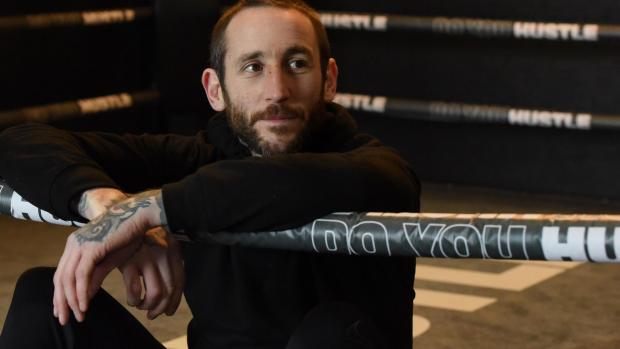
Bobby Harrison, founder of Hustle
You’ve said you didn’t start Hustle because you had it all figured out – but because you didn’t. What do you mean by that?
I was working in a gym in London where people weren’t treated particularly well, and it made me think, why am I doing this when I could do it differently? Boxing had completely changed how I felt, and I wanted to build a space that was safe, supportive and not driven by ego or money. When I moved back to Norwich, there was nothing like that, so I went for it, even though I’d never run a business before. I’ve always believed you can read all the books in the world, but if you don’t do anything, nothing changes.
How would you describe Hustle to someone who’s nervous about walking through the door?
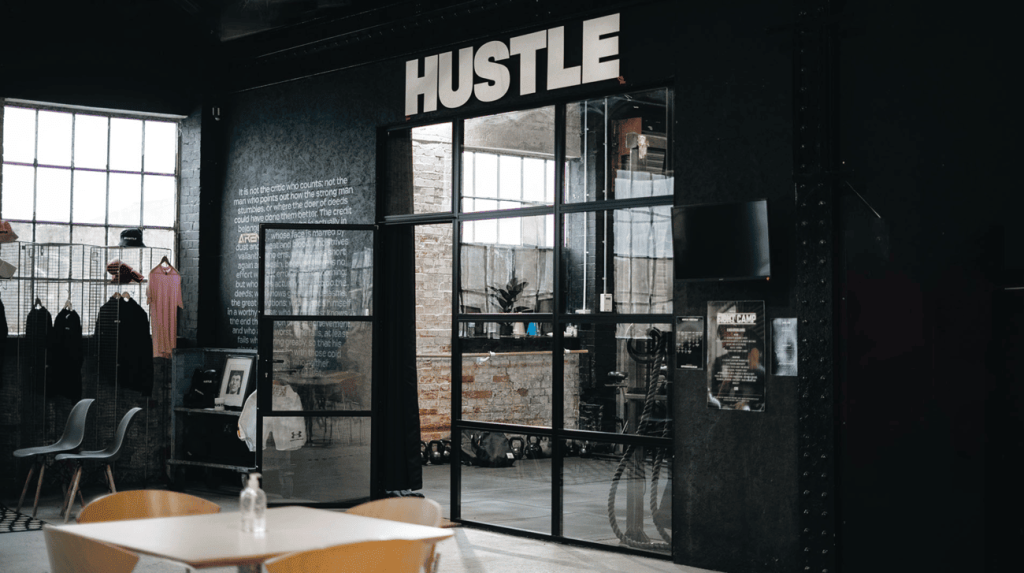
We’re very different from a standard gym. We focus on mental health through training, building confidence, routine and community first. When people enjoy training, they keep coming, and the physical changes tend to follow naturally.
Do you feel like you’re constantly pushing back against “quick fix” expectations?
Yes, and I’m not immune to it either. People don’t want results in a year, they want them now. But most of what you see online isn’t real. People don’t show the journey. Now with AI, it’s even easier to fake progress, and that’s dangerous, because people start to feel like they’re failing when they’re not.
“No ego” is central to Hustle. What does that look like day to day?
People support each other. It’s the kind of place where if you’re brand new, someone will chat to you straight away. That’s Hustle. No cliques. We try to remove barriers wherever we can, for example our Strong Mums Club allows mums to train while bringing their children along too.
Music plays a big role in how you train and coach. What’s your go-to?
90’s house, all the classics. That’s the one that gets the gym going.
You’ve said you didn’t start Hustle because you had it all figured out – but because you didn’t. What do you mean by that?
I was working in a gym in London where people weren’t treated particularly well, and it made me think, why am I doing this when I could do it differently? Boxing had completely changed how I felt, and I wanted to build a space that was safe, supportive and not driven by ego or money. When I moved back to Norwich, there was nothing like that, so I went for it, even though I’d never run a business before. I’ve always believed you can read all the books in the world, but if you don’t do anything, nothing changes.
How would you describe Hustle to someone who’s nervous about walking through the door?
We’re very different from a standard gym. We focus on mental health through training, building confidence, routine and community first. When people enjoy training, they keep coming, and the physical changes tend to follow naturally.
Do you feel like you’re constantly pushing back against “quick fix” expectations?
Yes, and I’m not immune to it either. People don’t want results in a year, they want them now. But most of what you see online isn’t real. People don’t show the journey. Now with AI, it’s even easier to fake progress, and that’s dangerous, because people start to feel like they’re failing when they’re not.
“No ego” is central to Hustle. What does that look like day to day?
People support each other. It’s the kind of place where if you’re brand new, someone will chat to you straight away. That’s Hustle. No cliques. We try to remove barriers wherever we can, for example our Strong Mums Club allows mums to train while bringing their children along too.
Music plays a big role in how you train and coach. What’s your go-to?
90’s house, all the classics. That’s the one that gets the gym going.
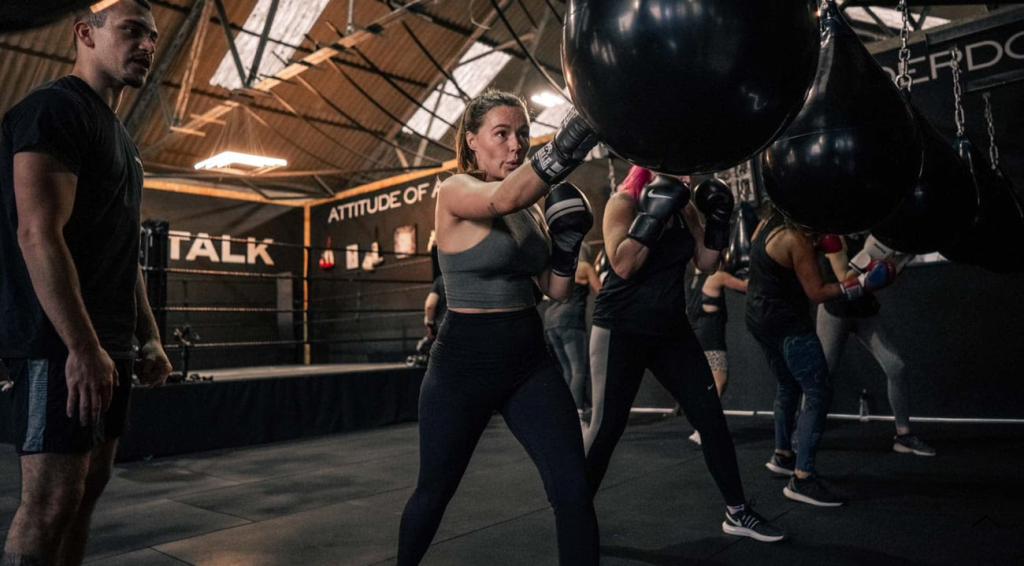
You’ll be leading a boxing workshop at Wild Reset. What does boxing offer beyond the physical?
Boxing is the most mental and physical sport I know. You can’t switch off, you have to think about your feet, your movement, your technique, and what happens after the punch. It teaches awareness, control and focus, not just fitness.
How has Hustle changed your definition of success?
When I was younger, success was money. Now, success is the life I’ve built, my family, the gyms doing well, and the fact that we’ve created meaningful work and freedom for others too. That feels really good.
Where do you draw inspiration from?
My dad. He taught me to work hard, earn my own money, and graft for it. I’ve always pushed myself, and I probably always will.
A daily ritual you never skip?
Training.
Music, silence or conversation?
Music.
Consistency or intensity?
Consistency.
Favourite trainers?
Puma Nitros, limited edition.